

Bassinet vs Mini Crib: What’s the Best Sleeping Setup for a Newborn?
Jump to Section
Choosing the right sleep setup for a newborn is one of the questions we hear most from expecting parents. Should baby sleep in a bassinet? Can you skip straight to a crib? Or is a mini crib a better middle ground?
It’s easy to feel overwhelmed. Newborn sleep is a big topic, and with so many options, making a confident choice can feel stressful. The truth is, there isn’t a single “right” answer. Each family’s needs and living situation will influence what works best.
Below, we break down the differences between bassinets and mini cribs, explain the key considerations, and give practical guidance for making the decision that’s right for your baby and your home.
TL;DR
If you want something compact, cozy, and perfect for bedside sleep during the early weeks, a bassinet is a great short-term solution. If space is limited but you want a sleep solution that lasts longer, a mini crib offers more longevity and flexibility. Both are safe options for newborn sleep when used correctly. The best choice depends on your space, lifestyle, and how long you want to use it.
Bassinet 101
Bassinets are one of the most popular sleep solutions for newborns, especially in the first few months. They are smaller than cribs, designed for infants, and ideal for parents who want the baby close by at night. Read our best bassinets article.
Key things to know about bassinets:
- Compact size: They take up less space than a crib, making them perfect for bedside sleep.
- Early stage use: Most bassinets are suitable for babies until they reach about 20–25 pounds or start rolling over. This often translates to roughly 3–5 months of use, depending on your child’s growth.
- Portability: Many bassinets are lightweight and easy to move, which is helpful if you like having the baby nearby during the day in different rooms.
- Safety considerations: A firm, flat surface with no loose bedding, pillows, or stuffed toys is essential. Always follow manufacturer guidelines for weight and age limits.
Motion and Comfort
Some babies settle more easily with gentle motion, while others prefer stillness. Some bassinets offer a slight rocking or swaying motion to mimic being held, which can be soothing for newborns. Others are completely stationary, which is fine too; what matters most is observing your baby’s preferences and creating a safe, consistent sleep environment.
Height and Accessibility
Bassinets with adjustable height can make nighttime feeds and soothing easier, especially for parents recovering from birth. Ideally, a bassinet should allow easy access without requiring you to bend or reach too much, reducing strain on your back and making nighttime routines smoother.
Why Parents Choose a Bassinet
Bassinets are often the go-to option for parents who want their baby nearby for easier feeding, comforting, and observation. They are compact, fit easily beside beds, and allow you to maintain closeness without committing to a full nursery setup right away. They are also handy in small spaces or for families who travel or move the baby between rooms during the day.
The main limitation is longevity. Bassinets are designed for newborns and younger infants, so families typically transition to a crib or mini crib once the baby outgrows the bassinet.


Now Shipping
Now Shipping
Mini Cribs: Small Footprint, Longer Use
Mini cribs are a middle ground between a bassinet and a full-size crib. They are larger than bassinets but smaller than standard cribs, making them perfect for small nurseries, apartments, or shared spaces.
Key benefits of mini cribs:
- Longer use: Many mini cribs can accommodate babies from newborn up to 18 months or around 40 pounds, depending on the model.
- Adjustable mattress heights: Allows for a safer sleep environment as baby grows and begins to sit, pull up, or stand.
- Versatility: Some mini cribs can be converted into toddler beds, extending their usefulness beyond the infant stage.
- Space efficiency: Mini cribs take up less floor space, making them ideal for rooms with limited square footage or for families with multiples.
Practical Features to Consider
While we won’t dive into specific products, it’s worth knowing that mini cribs can come with helpful features:
- Folding designs for storage or portability
- Locking wheels for easy room-to-room movement
- Built-in storage like drawers underneath, for diapers, bedding, or clothes


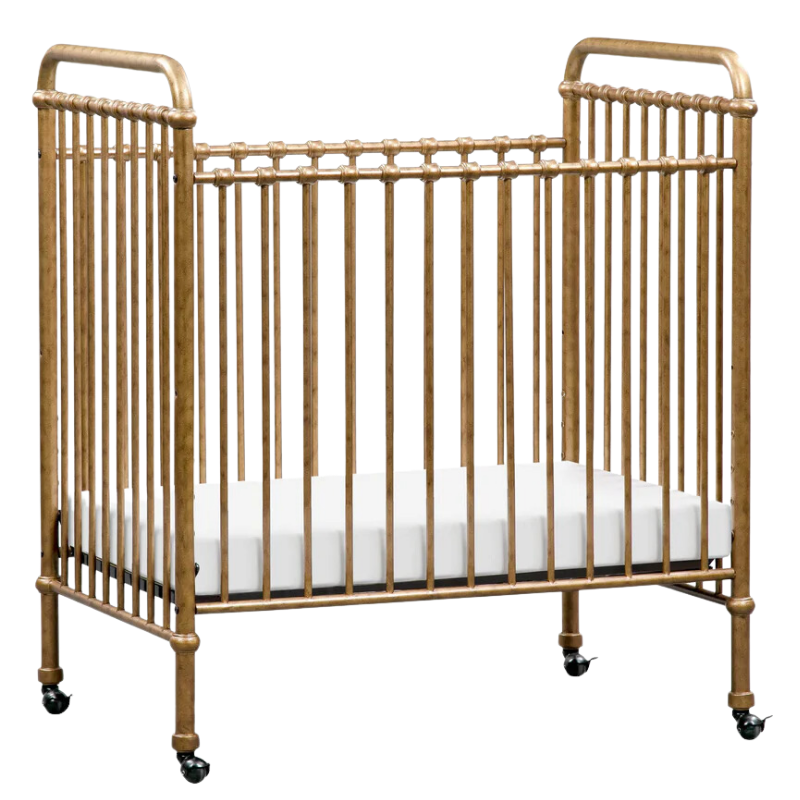


Why Parents Choose a Mini Crib
Mini cribs strike a balance between size and longevity. They are a practical solution if you want a single sleep space that lasts from newborn through toddlerhood. Families expecting twins or multiples often choose mini cribs because they make it possible to fit multiple sleep spaces into a single room.
Comparing Bassinets and Mini Cribs
Bassinets are ideal if:
- You want the baby close to your bed for the first few months
- Space is limited, and you prefer something lightweight
- You are okay with a shorter-term sleep solution
Mini cribs are ideal if:
- You want a longer-lasting sleep solution
- You need something compact but still durable
- You want flexibility for multiple children or small nursery spaces
Both options are safe when used according to current guidelines. The choice comes down to your family’s lifestyle, nursery setup, and preferences.
Can a Newborn Sleep in a Crib Instead?
Yes. Newborns can safely sleep in a crib if it meets current safety standards and is set up correctly. Some parents skip the bassinet entirely and start with a crib or mini crib from day one. This can be especially practical if space is limited or if you prefer one sleep setup that grows with the baby.
Safety always comes first: use a firm, flat sleep surface, keep bedding minimal, and follow weight and age recommendations for your chosen crib or bassinet.
Final Thoughts
At the end of the day, there is no single “right” answer for newborn sleep. Bassinets are great for those early weeks when closeness and convenience matter most, while mini cribs provide a longer-term, space-efficient solution.
Focus on your family’s needs, your space, and how long you want the sleep solution to last. Both options are safe and practical when used properly, and either can give you the peace of mind you need to rest alongside your little one.
What matters most is choosing a setup that works for you, so you feel confident and comfortable in your nursery.